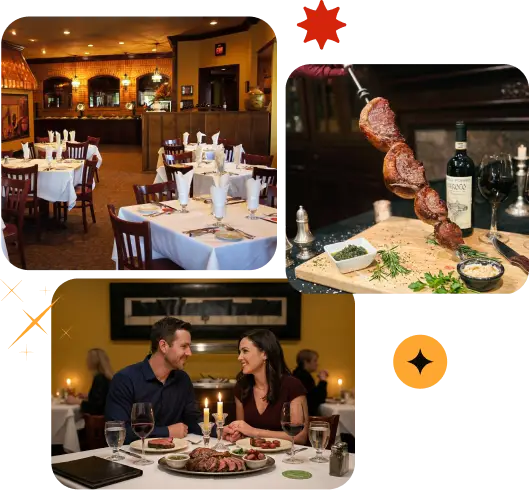
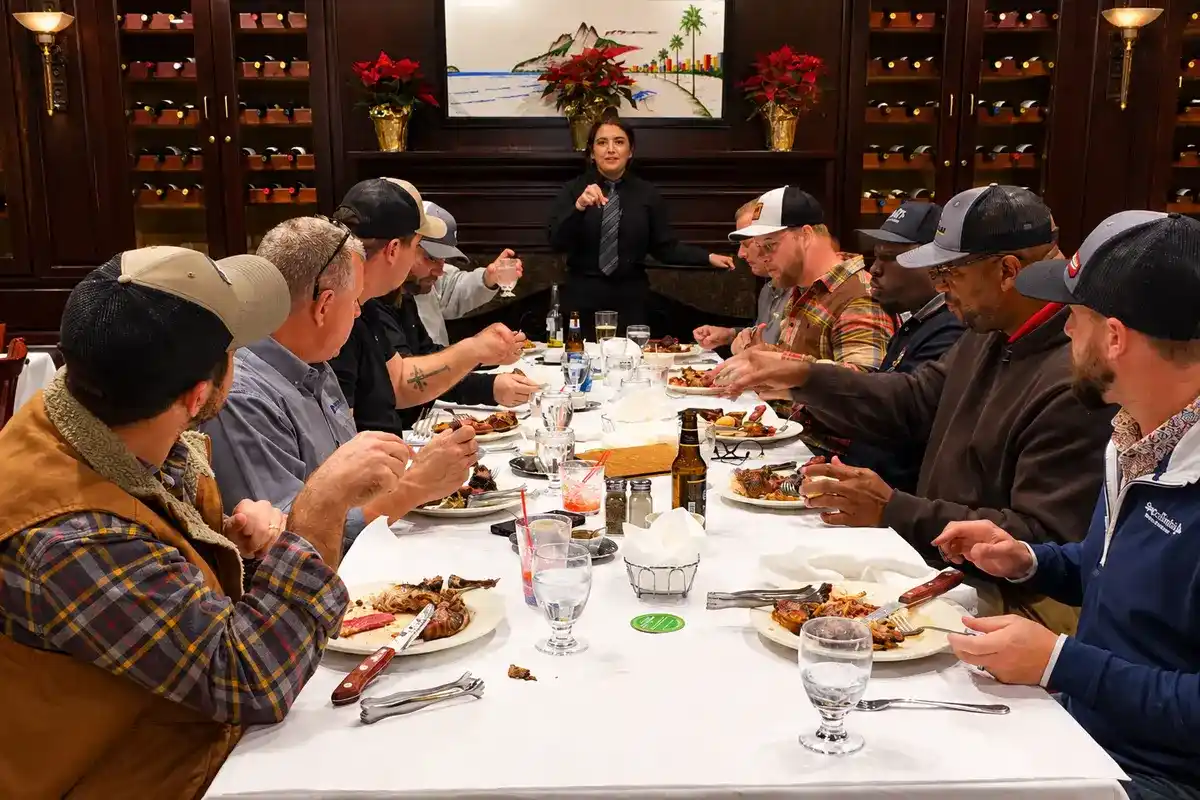
A rodizio dinner at Leblon Churrascaria moves through several different cuts of meat in a single sitting, and wine and cocktail pairings for steak work best when the drink changes along with the meat instead of staying fixed for the whole meal. Fattier, heavily seasoned cuts want a different glass than something lean, and the order the meat arrives in should shape what gets poured next.
Quick Facts — Best all purpose red: Malbec – Best starting point for beginners: A dry red or classic caipirinha – Classic Brazilian cocktail: Caipirinha – Good non alcoholic pick: Passion fruit or other tropical juice – Drink style shift: Lighter to start, bolder as richer cuts arrive – Ordering flexibility: By the glass or by the bottle, depending on group size
What Pairs Best With the Richest, Fattiest Cuts?
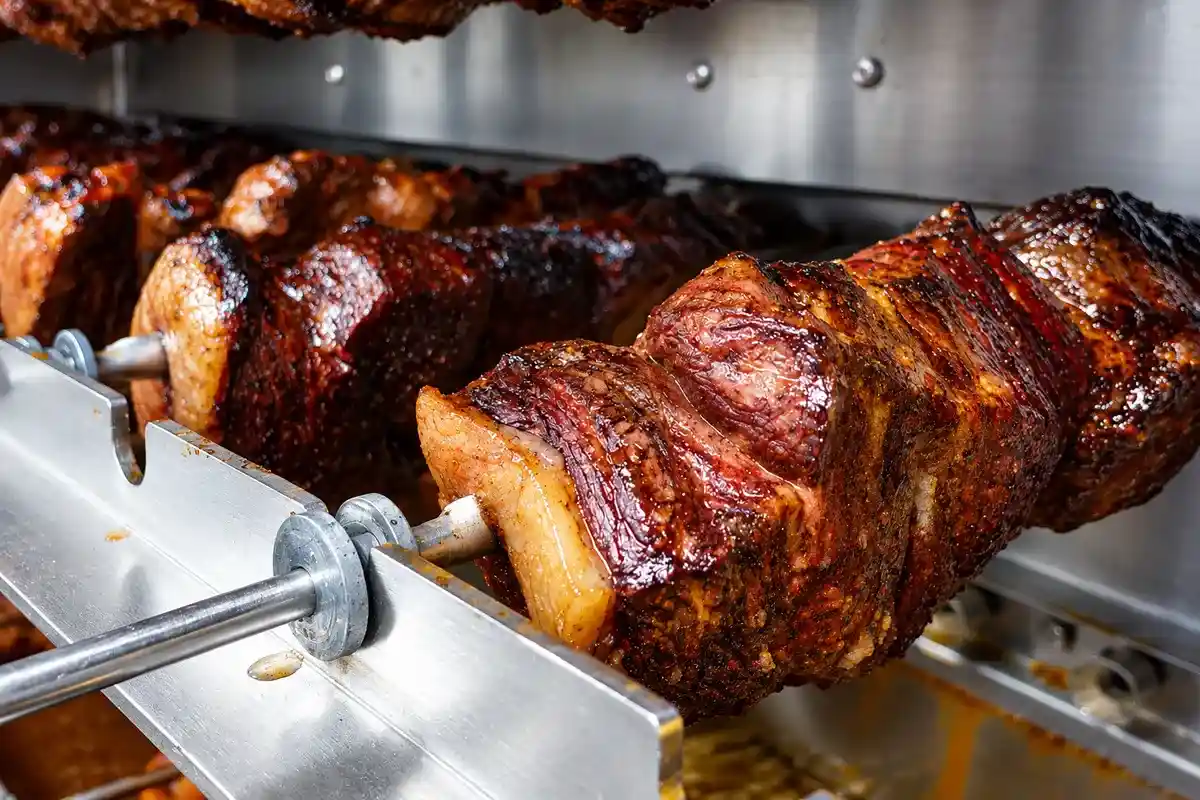
The fattier cuts at a rodizio, the ones with a heavier fat cap or a deep char, need a wine with enough tannin to cut through that richness. Malbec is the standard answer here, and it earns that reputation because the tannin structure works against fat rather than getting lost underneath it. A caipirinha is the cocktail equivalent for the same job, the lime acid does the cutting instead of tannin, so it lands as a lighter feeling but equally effective option for guests who want something other than red wine.
Do Leaner Cuts Need a Different Wine Than Fattier Ones?
Yes, and this is where a lot of people default to the wrong drink. Leaner cuts do not need a big, tannic red sitting on top of them, since there is less fat for the tannin to work against, and a heavy wine ends up flattening the meat’s own flavor instead of complementing it. A lighter red suits leaner cuts far better, letting the meat come through clearly rather than getting buried.
What Should Guests Who Are Not Wine Drinkers Order?
Cocktails play a real role at a Brazilian steakhouse, not a secondary one. A caipirinha, made with cachaça, lime, and sugar, works well early in the meal, particularly alongside the salad bar course before meat starts arriving at the table. Guests who prefer less sweetness can ask for it built lighter on sugar. For beer drinkers, a crisp, lighter style generally works better with charred meat than a hop forward one, since strong hop bitterness tends to compete with char instead of supporting it.
How Should Drink Choices Shift as the Meal Progresses?
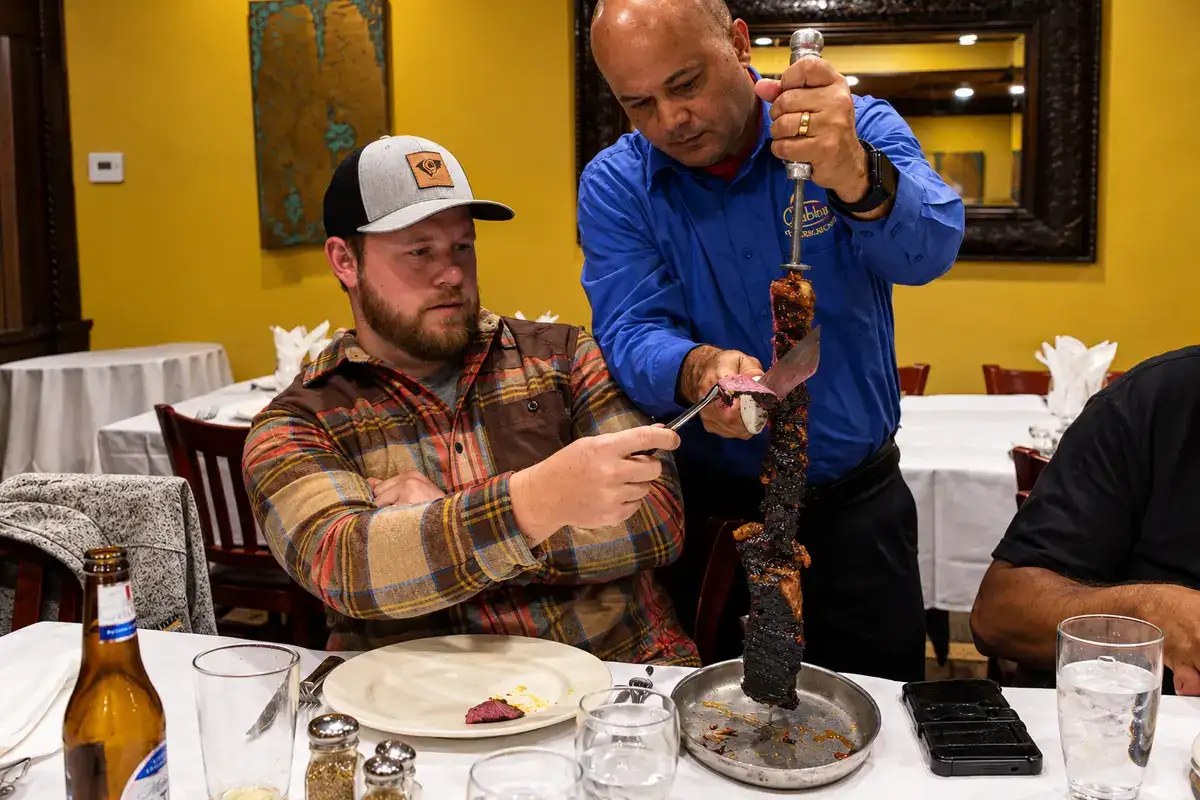
This is the detail most general pairing advice skips entirely. At a rodizio, cuts typically arrive in a rough progression, moving from milder or leaner options toward richer, more heavily seasoned ones as the meal continues. Drinks should follow that same progression rather than staying fixed. Starting with something lighter, a crisp cocktail or a lighter red, and shifting toward bolder reds as richer cuts appear keeps each pairing working as intended. A bold red poured too early in the meal often starts tasting flat by the time the richer cuts arrive, simply because the palate has already adjusted to it.
Wine and Cocktail Pairing Guide
| Course or Cut Style | Best Wine Pairing | Best Cocktail Alternative |
| Salad bar and lighter starters | Light white or rosé | Caipirinha |
| Lean, mild cuts | Lighter bodied red | Lighter rum based cocktail |
| Rich, fatty, or heavily charred cuts | Malbec or similar tannic red | Caipirinha, lime forward |
| Sweet or dessert course | Port style wine, if offered | Coffee based cocktail |
Is There a Downside to Ordering Wine at a Steakhouse Like This?
One honest limitation worth naming is that a rodizio focused wine list is generally built around pairing with meat rather than offering deep, side by side comparisons within a single grape or region. That is a reasonable tradeoff for this style of dining, since the goal is a small number of dependable pairings rather than an extensive list to browse, but it does mean guests looking to explore several versions of the same wine may find the selection more limited than at a dedicated wine bar.
Should a Table Order Wine by the Glass or by the Bottle?
Ordering by the glass makes it easier to shift pairings as the meal moves from leaner cuts into richer ones, since each course can get its own glass rather than committing to one wine for the whole dinner. For larger groups, splitting a bottle across the richer cuts can be a practical alternative, and asking the server how the pricing compares for the table’s specific order is a reasonable way to decide between the two approaches.
How to Put This Into Practice
The most reliable way to apply any of this is to let the drink follow the meat rather than deciding on one pairing before the meal starts. Starting light, moving toward bolder reds or richer cocktails as the courses build, and asking the server what they’d recommend with whatever cut is currently at the table turns this guide into something usable in real time rather than a rule to follow rigidly. A reservation at Leblon Churrascaria is the natural next step for testing this approach across a full rodizio dinner, cut by cut, rather than trying to plan every pairing in advance.
Frequently Asked Questions
Malbec is a reliable choice for fattier, more heavily charred cuts, since its tannin structure cuts through richness rather than getting overwhelmed by it.
Yes, particularly with the salad course or leaner cuts, since the lime and sugar cut through richness in a different way than a tannic red wine does.
Shifting from lighter to bolder as the cuts get richer generally works better, since a bold wine ordered too early can start tasting flat by the time richer cuts arrive.
Tropical, slightly acidic juices such as passion fruit are a common non alcoholic option that can play a similar role to a bright cocktail alongside richer cuts.
It tends to be more focused than an extensive wine bar list, built around a smaller number of dependable pairings suited to different cuts rather than deep comparisons within one grape or region.
A crisp, lighter beer style typically pairs better with charred meat than a heavily hopped one, since strong hop bitterness can compete with char rather than complement it.
By the glass allows more flexibility to shift pairings through the meal, while splitting a bottle can be more economical for larger groups ordering similar styles.